


Eetbare tuin-edible garden Melicoccus bijugatus - Knippa
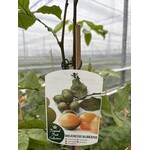
- In stock
- Shipping in 1 to 5 business days.
€43,75
Complies with EU Plant Health Regulation
Prices including VAT
Shipping throughout Europe
5% regular customers discount
Pick up in Limburg
3000 PostNL pick-up points

- Article number: MELIBIJ01
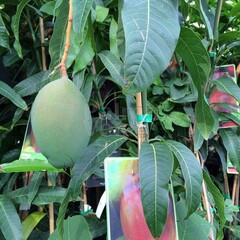
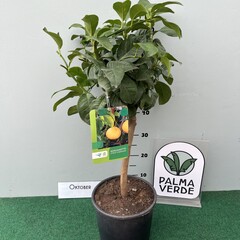
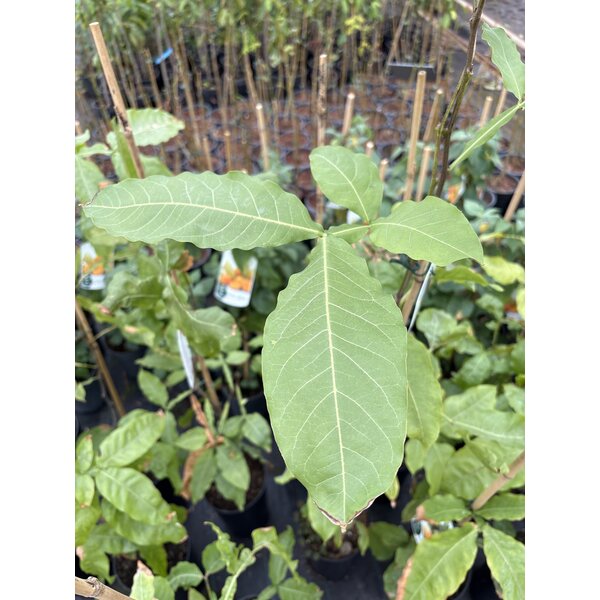
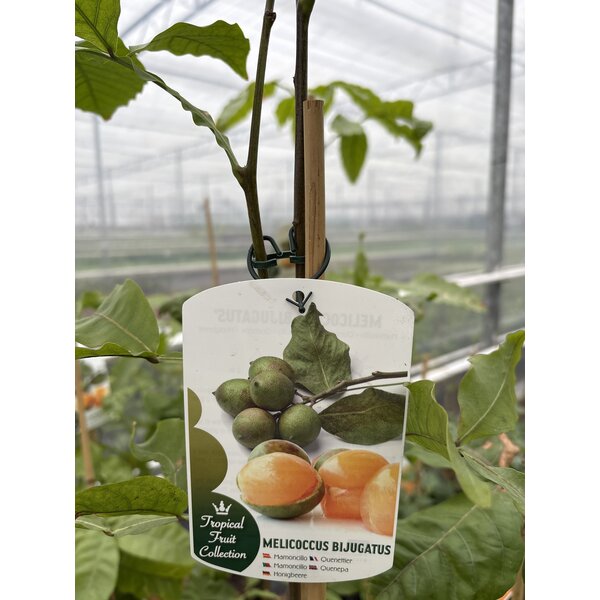
Melicoccus bijugatus is a tropical fruit tree belonging to the soapberry family (Sapindaceae), native to northern South America. The tree is known for its small, round fruits, which are popular in the Caribbean and parts of Latin America and Southeast Asia, both as a snack and for making beverages. Valued for its fruits, this plant has spread around the world wherever temperatures allow—primarily in tropical regions, as it thrives best in warm climates.
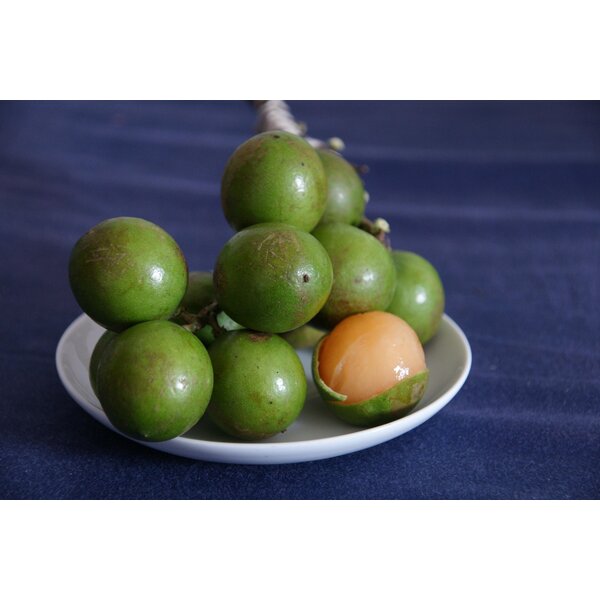
The tree can grow 20 to 30 meters tall and has a dense crown with pinnate leaves. The fruits grow in clusters and have a thin, hard green skin. Inside, there is a juicy pulp that ranges from mildly sweet to slightly tart, surrounding a large seed. The tree flowers during the dry season and bears fruit in the rainy months.
The fruit is usually eaten fresh by cracking open the skin and sucking on the pulp. In Caribbean cuisine, it is also used for jams, syrups, and alcoholic beverages such as “guarapita.” The fruit is a symbol of summer in many Latin American countries and is often sold along roadsides and in markets. The pulp contains vitamins A and C, calcium, and phosphorus. Although the peel and seeds are not edible, there are reports of traditional medicinal uses, such as relieving digestive issues.
From the outside, it is difficult to determine when the fruits are ripe, as unripe and ripe fruits look the same. Often, one fruit is opened and tasted; if it tastes good, the rest of the cluster is harvested as well.
Hardiness zone 11 (+10°C).
Specifications
- Article number: MELIBIJ01
- Minimum temperature: +10ºC
- Location: Sunny
- Soil type: No special requirements
- Water requirement: Light damp
- Full ground:
- Tub plant:
- Flowering period: 5-6
- Origin / habitat: South America
- Growth rate: Normal
- Maximum plant height: 125/250 cm
Reviews
No reviews found