


Eetbare tuin-edible garden Cydonia oblonga "Champion" - Apple shaped quince
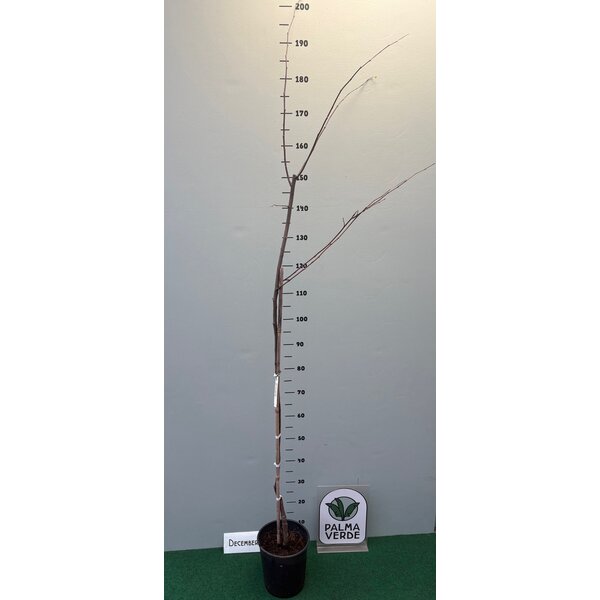


- In stock
- Shipping in 1 to 5 business days.
€32,95
Complies with EU Plant Health Regulation
Prices including VAT
Shipping throughout Europe
5% regular customers discount
Pick up in Limburg
3000 PostNL pick-up points

- Article number: CYDOBLC6
Cydonia oblonga "Champion" is also known by the names Quince, Quince Apple, Pyrus cydonia and Cydonia vulgaris.
The quince likely originates from the region of Armenia, Georgia and Iran. Many decades ago it was introduced and cultivated further in various Mediterranean countries.
This fruit tree grows fairly slowly and prefers a sunny spot in your garden.
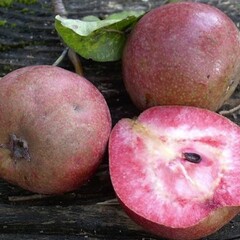
The Champion variety differs slightly from the “standard” quince varieties such as “Vranja” and “Portugal”. This is mainly visible in the shape of the fruit: unlike the pear-shaped fruits of the previously mentioned varieties, the fruit of the Champion is more apple-shaped. A quince is almost never completely smooth, and due to its shorter form the fruits have a somewhat irregular appearance. The flavour of the yellow flesh is sweet, and when the fruit is cooked the flesh will turn a red colour.
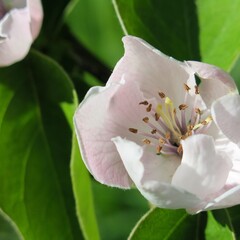
The blossom arrives in april/may and is white/pink in colour. The flowers are quite big and can reach up to 4-5 cm in diameter. The tree itself may reach a height of up to 5/6 meter. Cutting can best be done in the month of May if necessary. Branches are quite easy to guide.
The leaves are oval shaped and are about 10cm long and 5 cm wide, the upperside is dark green and underneath it's grey and covered in small hairs. In autumn the leaves turn bright yellow and give a nice contrast in the garden. The fruit ripens in Oktober when they are coloured golden/yellow. The pear or apple shaped fruits can become over 15cm long.
The fruits themselves smell delicious and are hairy on the outside. Raw they are quite sour and very hard to eat. However when boiled quince is very tasty to make into a jam or compote.
Winter hardiness: Zone 6a (-25ºC)
Specifications
- Article number: CYDOBLC6
- Minimum temperature: -25ºC
- Location: Sunny, half shade
- Soil type: No special requirements
- Water requirement: Light damp
- Full ground:
- Tub plant:
- Flowering period: 5-6
- Origin / habitat: Armenië, Georgië
- Growth rate: Normal
- Maximum plant height: 4-6 meters
Reviews
No reviews found