


- In stock
- Shipping in 1 to 5 business days.
€12,50
Complies with EU Plant Health Regulation
Prices including VAT
Shipping throughout Europe
5% regular customers discount
Pick up in Limburg
3000 PostNL pick-up points

- Article number: AGAPAR01
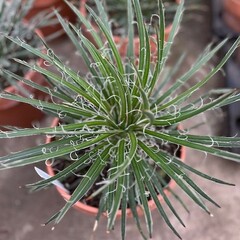
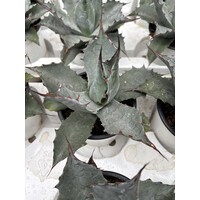
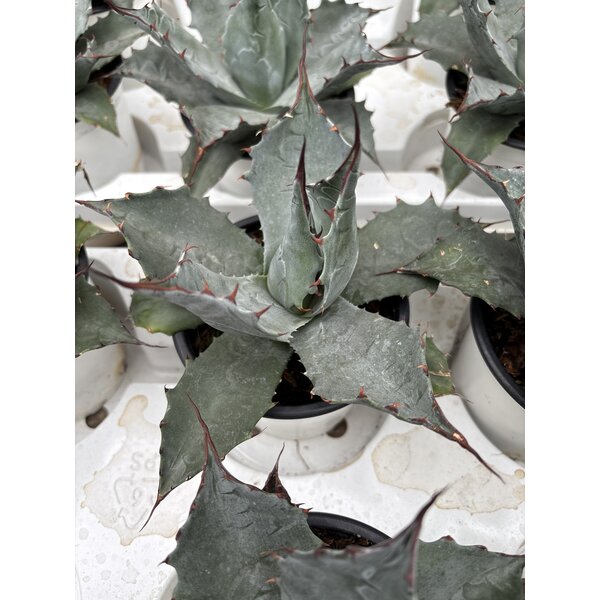
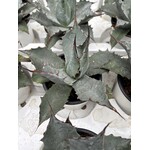
The Agave is naturally found mainly in Mexico. There are many species of Agave, but in general they are fleshy plants with spines along the edges of the leaves and a sharp point at the tip. They grow slowly and produce new leaves from the inside outward.
The region where the Agave originates is desert-like. During the day, temperatures can rise very high, up to 50 degrees Celsius, while at night they can drop to below freezing. Rainfall is rare and, when it occurs, it is usually just a small shower. In this environment, Agaves have adapted well, making them very strong and resilient plants. Most Agave species remain relatively small, but there are varieties that can grow several meters wide and reach up to 2 meters in height. In Northern Europe, it is wiser to plant the Agave in a pot. Ensure good drainage so the plant can always get rid of excess water during heavy rainfall. At lower temperatures, the Agave can then be moved indoors. During winter, the Agave can also be kept indoors as long as it receives sufficient light.
An Agave will only bloom after many years. The flowering of an Agave is spectacular and can reach several meters in height. After flowering, the Agave from which the flower emerges will die. By that time, the Agave has usually already reproduced. Most Agaves propagate by means of root cuttings and therefore produce side shoots.
Most Agaves are not suitable for planting in the garden. This particular species can tolerate temperatures down to -14°C.
Specifications
- Article number: AGAPAR01
- Minimum temperature: -8ºC
- Location: Sunny
- Soil type: Well draining
- Water requirement: Slightly moist, drought tolerant
- Full ground:
- Tub plant:
- Flowering period: n/a
- Origin / habitat: Mexico, Arizona, Texas
- Growth rate: Very slow
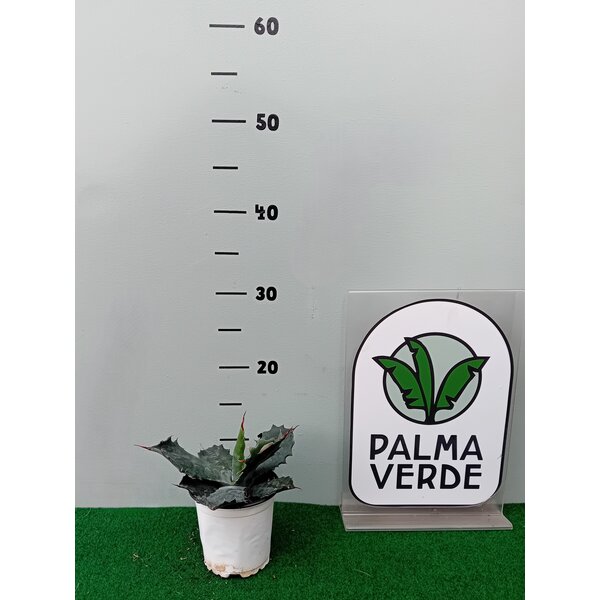
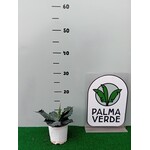
- Maximum plant height: 100 cm
Reviews
No reviews found